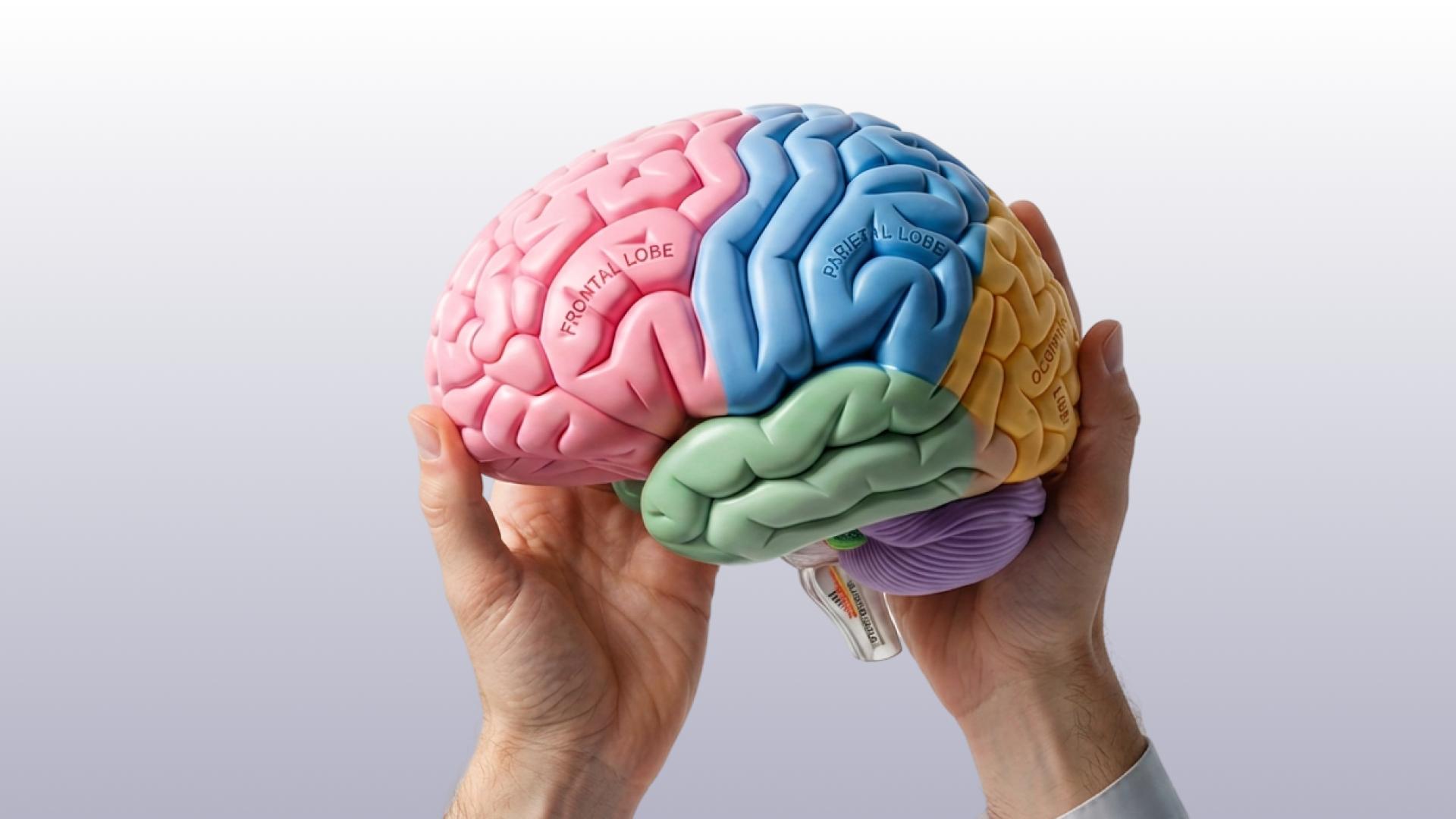
Understanding Brain Injury, Recovery And The Support Available To Canadians
Every June, Canadians recognize Brain Injury Awareness Month; this is an important opportunity to learn more about brain injury, to listen to people with lived the experience and acknowledge the families and caregivers who support them.
Brain Injury Awareness Month also highlights the need for better access to rehabilitation, community services, financial assistance and long-term support. For many people, the effects of a brain injury continue long after the initial hospital stay or rehabilitation program has ended.
For Canadians living with a brain injury, everyday life can involve physical, cognitive, emotional and financial challenges. Although tax benefits cannot remove those challenges, programs administered by the Canada Revenue Agency may help reduce some of the financial pressure by way of Disability Tax Credit programme, which is a process that Enable Benefits can assist you with.
Understanding Brain Injury
Brain injuries generally fall into two broad categories:
Traumatic Brain Injury (TBI)
Traumatic brain injuries occur when an external force causes damage to the brain. Common causes include:
- Falls
- Motor vehicle collisions
- Sports and recreational injuries
- Workplace accidents
- Assaults
A concussion is one of the most common forms of mild traumatic brain injury, but even a “mild” injury can have significant long-term effects.
Acquired Brain Injury (ABI)
An acquired brain injury occurs from internal medical conditions rather than external trauma, including:
- Stroke
- Brain tumours
- Infections such as meningitis or encephalitis
- Lack of oxygen (anoxic brain injury)
- Certain neurological illnesses
Understanding acquired brain injury
An acquired brain injury, often called an ABI, is damage to the brain that occurs after birth and is not caused by a congenital or degenerative condition.
There are two main types:
Traumatic brain injuries are caused by something outside the body, such as a fall, motor vehicle collision, sports injury, assault or other blow or jolt to the head. A concussion is also a form of acquired brain injury.
Non-traumatic brain injuries are caused by something happening inside the body. Examples can include stroke, brain tumour, aneurysm, infection, oxygen deprivation and other medical events that damage brain tissue.
No two brain injuries are exactly the same. The effects can be temporary, long-lasting or permanent, and recovery does not always follow a predictable timeline.
Many effects of brain injury are invisible
Someone living with a brain injury may look well while experiencing significant difficulties that other people cannot see.
Depending on the location and severity of the injury, a person may experience challenges with:
- Memory, attention and concentration
- Planning, organization and problem-solving
- Judgment and decision-making
- Initiating or completing everyday tasks
- Processing information or communicating
- Managing emotions and behaviour
- Fatigue, headaches, pain or disrupted sleep
- Balance, coordination and mobility
- Vision, hearing or sensitivity to light and sound
- Maintaining employment, education or relationships
Brain Injury Canada notes that brain injuries can lead to behavioural, cognitive, emotional and physical changes. These effects may alter a person’s independence, abilities, employment and relationships with family members, friends and caregivers.
Because many symptoms are invisible, people living with brain injury may also face misunderstanding. They may be told that they “look fine” or should have recovered already, even when they continue to need supervision, reminders, assistance or substantially more time to complete daily activities.


Brain Injury Awareness Month is an opportunity to replace assumptions with understanding; and to recognize that recovery and support needs are different for every person.
The financial effects can continue for years
The cost of living with a brain injury can extend well beyond the original medical treatment. Individuals and families may face expenses related to:
- Physiotherapy, occupational therapy or other rehabilitation
- Counselling and mental health support
- Prescription medication
- Mobility aids and assistive technology
- Attendant or personal care
- Transportation to medical appointments
- Home accessibility improvements
- Reduced working hours or loss of employment
- Additional childcare or household support
- Caregiving responsibilities for family members
Some expenses may qualify for tax relief, while others may be addressed through disability-related credits or deductions. Eligibility depends on the individual’s circumstances, the nature of the expense and the supporting documentation available.
Can a brain injury qualify for the Disability Tax Credit?
The Disability Tax Credit, or DTC, is a non-refundable tax credit administered by the CRA. It is intended to help people with severe and prolonged impairments; or their supporting family members; reduce the amount of income tax they may have to pay.
A diagnosis of traumatic or acquired brain injury does not automatically qualify someone for the DTC. The CRA focuses primarily on the functional effects of the impairment: how the person is restricted in carrying out activities and mental functions necessary for everyday life.
For someone with a brain injury, relevant limitations may involve:
- Adaptive functioning and managing basic daily routines
- Attention and awareness of personal safety
- Concentration and processing information
- Short-term or long-term memory
- Goal-setting and carrying out simple plans
- Judgment and understanding consequences
- Problem-solving
- Regulating behaviour and emotions
- Verbal and non-verbal comprehension
- Walking, dressing, feeding, speaking or other physical activities
Under the CRA’s general criteria, a marked restriction must usually be present all or almost all of the time and must have lasted; or be expected to last for a continuous period of at least 12 months. Some people may also qualify through the cumulative effect of significant limitations in two or more eligible categories. A qualified medical practitioner must certify the effects of the impairment.
“A person does not necessarily have to be unemployed to qualify. The central question is not simply whether the person can work, but how the impairment affects eligible activities and mental functions in everyday life.”
The DTC may lead to past-year tax adjustments
The Disability Tax Credit is not automatically a cash payment. It reduces tax payable. However, when someone is approved for previous years in which they paid income tax, adjustments to those returns may result in refunds.
The CRA permits eligible applicants to request adjustments going back up to 10 years. If the person with the brain injury cannot use the full disability amount because they have limited taxable income, some or all of the unused amount may be transferable to an eligible supporting family member who provides necessities such as food, shelter or clothing.
The actual value of a claim varies according to factors such as:
- The years for which the person is approved
- The amount of tax previously paid
- The individual’s province or territory
- Whether an eligible family member can claim a transferred amount
- Other credits and benefits already claimed
Approval for the DTC does not guarantee a particular refund amount.
Other medical and caregiver tax benefits to review
The Disability Tax Credit may be only one part of a broader benefits review. Depending on the individual’s circumstances, other CRA credits or deductions may include the following.
Medical Expense Tax Credit
Eligible, unreimbursed medical expenses may be claimed for the individual, their spouse or common-law partner, and certain dependants.
Depending on CRA rules and the documentation available, qualifying costs may include certain medical practitioners, rehabilitation services, attendant care, medical devices, transportation or travel for medical treatment and other prescribed supports. Not every treatment or expense qualifies, and some claims have additional certification requirements.
Canada Caregiver Credit
A spouse, common-law partner or other eligible family member who supports a person with a mental or physical infirmity may qualify for the Canada Caregiver Credit.
This is a non-refundable tax credit. The amount that can be claimed depends on the relationship between the caregiver and the dependant, the dependant’s net income and the other credits being claimed.
Disability Supports Deduction
A person with an impairment in physical or mental functions may be able to deduct certain eligible expenses that enable them to work, operate a business, attend school or conduct qualifying research.
Home Accessibility Tax Credit
Where a brain injury creates mobility, balance or safety concerns, qualifying renovations that improve accessibility or reduce the risk of injury may be eligible for the Home Accessibility Tax Credit. Specific requirements apply, including rules concerning who can claim the credit and who qualifies as an eligible individual.
Because these programs interact differently with income, family relationships, medical expenses and DTC eligibility, a complete review can help identify claims that might otherwise be overlooked.
Caregivers need support too
A brain injury rarely affects only one person. Spouses, parents, adult children, siblings and other caregivers may take on responsibilities such as:
- Coordinating appointments and rehabilitation
- Managing medication
- Providing transportation
- Supervising daily activities
- Assisting with communication or decision-making
- Managing household finances
- Providing food, shelter and other necessities
- Reducing their own working hours to provide care
Caregivers often have valuable insight into the person’s daily limitations, particularly when the individual has difficulty remembering or communicating what support they require.
When preparing a benefits application, it can be helpful to document practical examples: how often assistance is needed, which activities take substantially longer, what happens without supervision and how the person functions even with medication, treatment and assistive devices.
How Enable Benefits can help
Applying for disability-related tax benefits can feel overwhelming; especially when someone is already managing rehabilitation, medical appointments, fatigue, memory difficulties or caregiving responsibilities.
Enable Benefits helps Canadians understand and navigate the Disability Tax Credit process. Its team can assist people living with brain injury, as well as their supporting family members, by:
- Reviewing how the injury affects everyday functioning
- Assessing potential eligibility for the Disability Tax Credit
- Helping organize the information required for the application
- Assisting with the Disability Tax Credit Certificate, Form T2201
- Supporting communication and documentation involving the medical practitioner
- Navigating the CRA submission and review process
- Reviewing possible claims for previous tax years
- Exploring whether an unused disability amount may be transferred
- Identifying other medical, disability and caregiver tax benefits that may apply
Enable Benefits states that its service is designed to simplify the Canadian Disability Tax Credit process, including application support and the review of potential retroactive claims.
Take the first step towards financial support
If a brain injury significantly affects your daily life; or you provide ongoing support to someone living with a brain injury you may be eligible for valuable CRA disability, medical or caregiver tax benefits.
Contact Enable Benefits for a confidential assessment and a clearer understanding of the programs that may be available to you.
Book a Confidential Benefits Assessment
Brain injury can change a life in an instant. Finding and applying for financial assistance should not add another layer of stress. Enable Benefits can help you navigate the process with clarity, compassion and support.
Because no Canadian living with brain injury; and no family caring for them should have to navigate the benefits process alone.
This article provides general information only and is not medical, legal or tax advice. Eligibility for any tax credit, deduction or government benefit is determined by the CRA or the applicable government authority based on individual circumstances and supporting documentation.